ECS Satellite Service Unlocks New Opportunities for IoT Providers
Agriculture
Satellite IoT enables precision farming by providing real-time monitoring of soil moisture, crop health, and weather patterns. It supports remote irrigation control, livestock tracking, and pest detection, helping farmers optimize yields, reduce costs, and conserve resources in rural and hard-to-reach areas.
Maritime
Satellite IoT ensures uninterrupted connectivity for ships, fishing vessels, and offshore platforms, enabling real-time vessel tracking, navigation, and cargo monitoring. It facilitates automated weather alerts, engine diagnostics, and fuel efficiency optimization, enhancing operational safety and ensuring compliance with maritime regulations in open waters.
Energy & Utilities
Satellite IoT enhances the remote monitoring of oil pipelines, gas wells, wind farms, and power grids, improving operational efficiency and safety. It enables early detection of leaks, equipment malfunctions, and power outages, reducing downtime and optimizing energy distribution in remote locations.
Transportation & Logistics
Real-time asset tracking powered by satellite IoT improves supply chain visibility, ensuring the seamless movement of goods across borders and through remote areas. It enhances fleet management, fuel efficiency, and predictive maintenance for trucks, trains, and cargo ships, reducing costs and optimizing logistics operations
Environmental Monitoring
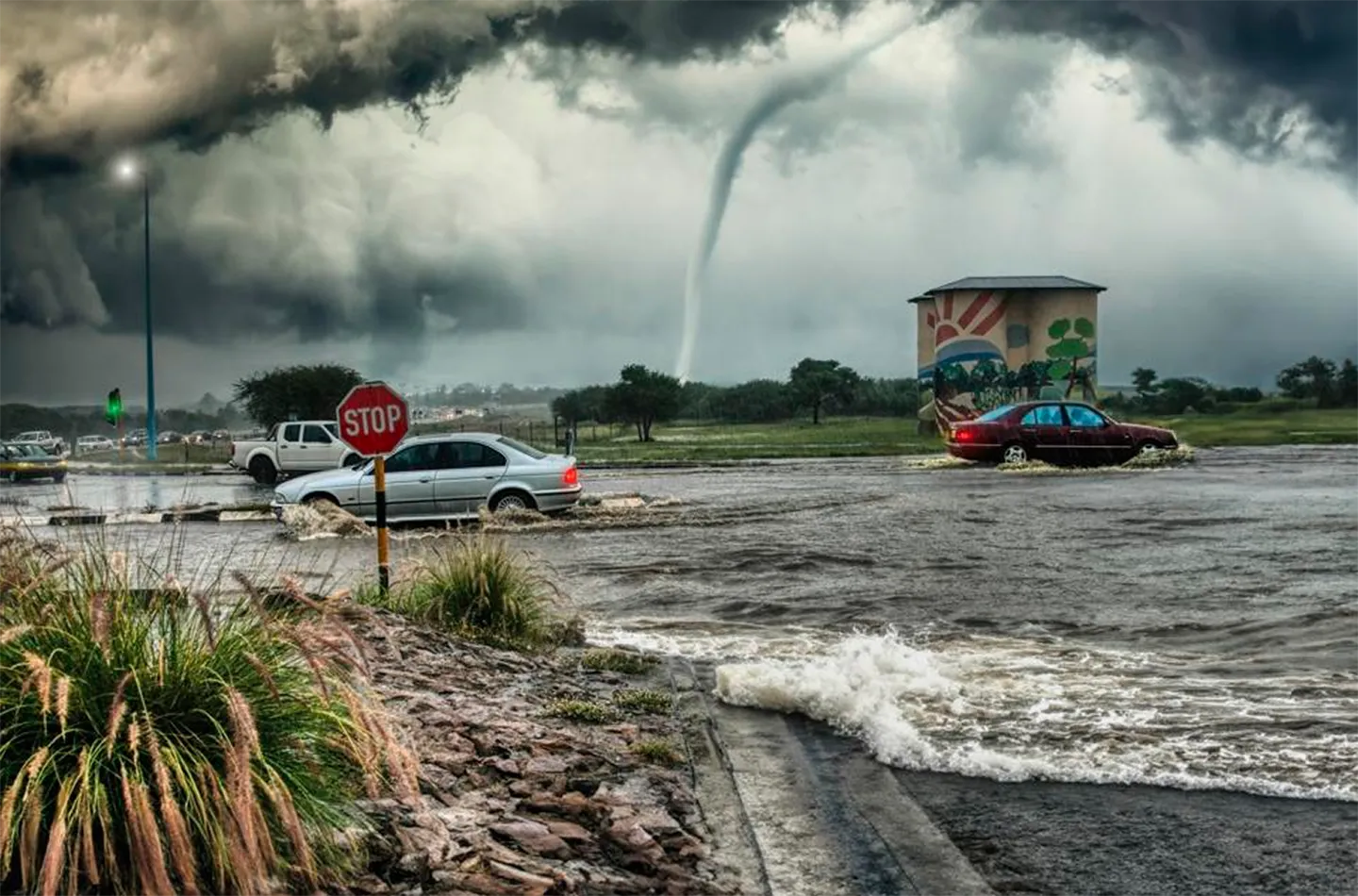
Satellite-connected sensors collect critical data on climate change, air quality, deforestation, and water levels in remote ecosystems. This capability plays a vital role in tracking environmental changes and detecting natural disasters.
Mining
Satellite IoT improves safety and productivity in mining operations by enabling remote tracking of equipment, automated environmental monitoring, and worker safety alerts. It ensures real-time communication in underground or isolated mining sites where terrestrial networks are unavailable.
Defense & Security
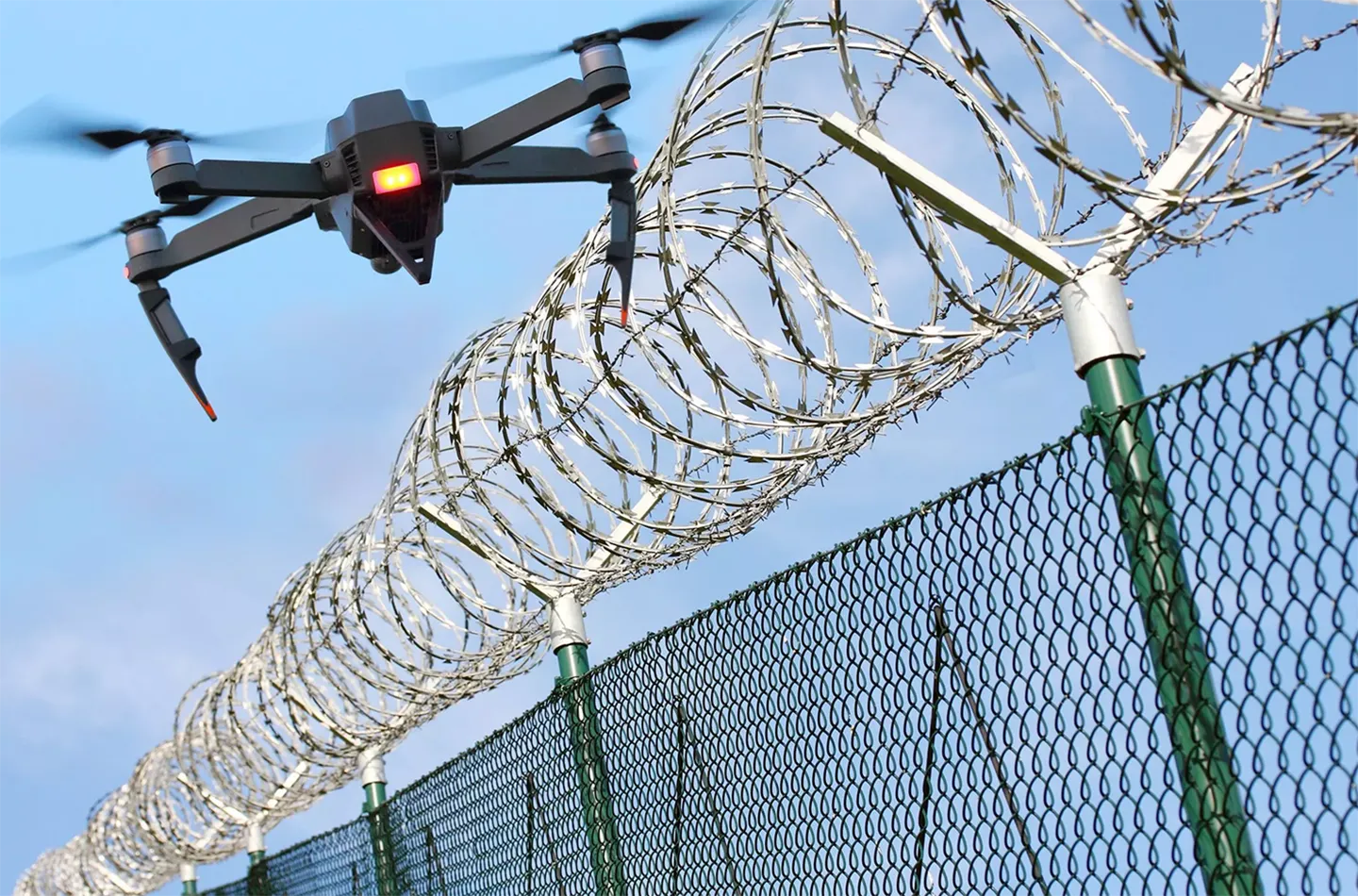
Governments and military organizations rely on satellite IoT for secure communications, real-time surveillance, and asset tracking in remote or high-risk environments. It supports border security monitoring, drone operations, and emergency response coordination in disaster or conflict zones.
Wildlife & Conservation
Satellite IoT aids conservation efforts by enabling the tracking of endangered species, monitoring poaching activities, and studying migration patterns. Remote sensors collect environmental data, such as temperature and humidity, to assess the impact of climate change on fragile ecosystems.
Disaster Response & Humanitarian Aid
Satellite IoT plays a critical role in ensuring connectivity for emergency responders, relief organizations, and displaced populations in the aftermath of natural disasters. It facilitates real-time coordination, supply chain tracking, and early warning systems for events such as earthquakes, floods, and wildfires.